
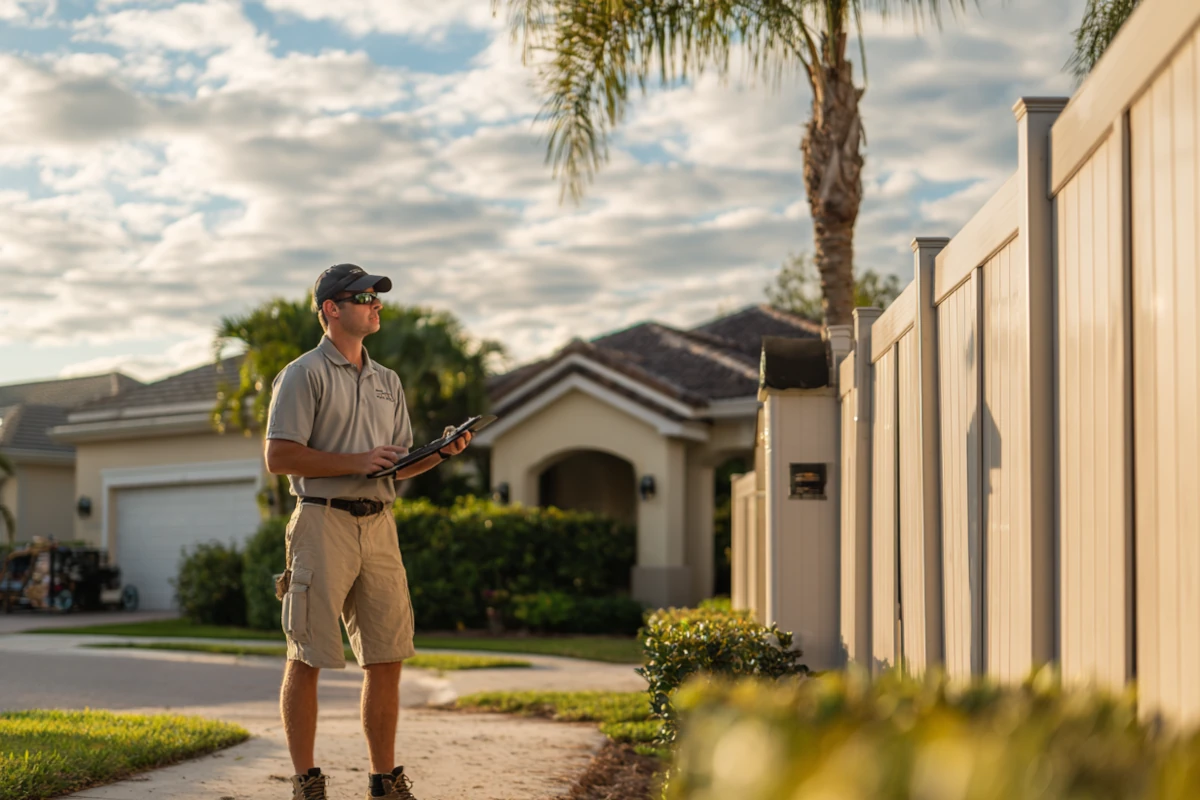
The optimal time for fence installation depends on balancing favorable weather conditions with project efficiency. Late fall through early spring typically offers the best combination of cooler temperatures, reduced rainfall, and easier ground conditions, allowing for faster installation and improved long-term fence stability. Understanding seasonal advantages helps you plan effectively and secure better contractor availability before peak demand periods.
Choosing the right time to install a new fence can significantly impact both the installation process and the long-term performance of your investment. While fences can be installed year-round in most climates, certain seasons offer distinct advantages that make the process smoother, faster, and more cost-effective. This comprehensive guide breaks down each season to help you determine the perfect timing for your fencing project.
Understanding Seasonal Installation Benefits
Weather conditions, soil moisture levels, and contractor schedules all play crucial roles in successful fence installation. By selecting the right season, you can minimize delays, reduce installation complications, and ensure your fence is properly set for maximum durability. The key is understanding how each season’s unique characteristics affect the installation process and choosing timing that aligns with your specific goals.
Winter: Prime Installation Season
Advantages of Cold Weather Installation
Winter months present exceptional conditions for fence installation in many regions. The cooler, drier weather creates an ideal working environment that benefits both installation crews and your fence’s long-term stability.
Optimal Ground Conditions
During winter, reduced rainfall leads to firmer, more stable soil. This makes digging post holes easier and ensures posts set properly in solid ground. When soil is dry and compact, contractors can work more efficiently without dealing with muddy, saturated earth that can compromise fence stability. Posts installed in firm winter soil are less likely to shift or settle after installation, providing a more durable foundation.
Enhanced Contractor Availability
Winter is considered the off-season for most outdoor projects, which translates to several benefits for homeowners. Contractors typically have greater availability during these months, allowing for more flexible scheduling and quicker project completion. You’ll avoid the lengthy wait times common during peak seasons, and many professionals can dedicate more attention to your project without juggling multiple simultaneous installations.
Comfortable Working Conditions
Moderate winter temperatures create more comfortable conditions for installation crews compared to extreme summer heat. Workers can maintain consistent productivity throughout the day, and materials handle better in cooler weather. The absence of excessive humidity also means certain fence materials cure and set more effectively.
Preparation for Spring
Installing your fence during winter ensures your property is fully prepared for spring landscaping projects. With the fence already in place, you can plan gardens, plant beds, and other outdoor improvements around your new perimeter. This strategic timing allows you to coordinate multiple projects efficiently and have everything ready for the outdoor season.
Winter Considerations
While winter offers numerous advantages, some regions may experience occasional temperature drops that could slow work temporarily. However, in most areas with mild winters, fence installation proceeds smoothly throughout the season. [Consider scheduling a consultation] early in the season to secure your preferred installation dates.
Spring: Coordinated Project Season
Strategic Timing Benefits
Spring offers unique opportunities for homeowners planning comprehensive property improvements. This season allows you to coordinate fence installation with broader landscaping and outdoor enhancement projects.
Landscaping Synchronization
Installing a fence in spring allows perfect coordination with other outdoor projects. You can plan gardens, plant trees, and design outdoor living spaces around your new fence line. This integrated approach ensures all elements of your property work together harmoniously.
Preparation for Summer Activities
A spring installation ensures your outdoor space is fully secured and ready for summer entertaining, pool season, and family activities. This timing gives you maximum enjoyment of your investment during peak outdoor months.
Spring Challenges
Spring is one of the busiest times for contractors, which means you’ll need to schedule well in advance to secure your preferred installation dates. Additionally, spring weather can be unpredictable, with increased rainfall potentially causing delays. However, proper planning can mitigate most of these concerns.
If you’re considering spring installation, contact contractors early in the winter to discuss scheduling and lock in your project timeline.
Summer: Strategic Hurricane Preparation
Immediate Protection Benefits
For regions prone to severe weather, summer installation provides crucial preparation for hurricane season and storm protection.
Wind-Resistant Installation
Installing during early summer allows ample time for your fence to settle and cure before peak storm season. This ensures maximum structural integrity when you need it most. Modern fence materials and professional installation techniques create barriers capable of withstanding significant wind forces.
Extended Daylight Hours
Summer’s longer days give installation crews more productive working hours, potentially speeding up project completion. This can be particularly beneficial for larger properties requiring extensive fencing.
Security and Privacy
Summer installation provides immediate benefits for outdoor privacy during peak activity months. Whether you’re hosting gatherings, using your pool, or simply enjoying your backyard, a properly installed fence creates the secure, private environment families need.
Summer Considerations
High temperatures and humidity can make outdoor work more challenging, potentially affecting installation pace. Summer is also the rainy season in many areas, which could lead to weather-related delays. Additionally, this is a popular time for home improvement projects, so contractor availability may be limited. Working with experienced professionals who understand how to manage summer installation challenges ensures your project stays on track.
Fall: Ideal Transition Period
Perfect Balance of Conditions
Fall represents an excellent middle ground, offering many of winter’s benefits while avoiding potential weather extremes.
Comfortable Installation Weather
Cool autumn temperatures create ideal working conditions without the challenges of summer heat. This moderate climate allows crews to work efficiently throughout the day, maintaining consistent progress on your installation.
Reduced Precipitation
Fall typically brings less rainfall than spring or summer, reducing the likelihood of weather delays. Drier conditions mean better soil stability and more predictable project timelines.
Pre-Winter Preparation
Installing your fence in fall ensures your property is secured before winter weather arrives. This timing provides protection against harsh winter conditions and gives the fence time to settle before spring growth begins.
Better Material Performance
Cooler temperatures can actually improve how certain fence materials set and cure. Wood fences, in particular, benefit from fall installation as moderate humidity levels allow proper wood acclimation without extreme moisture fluctuations.
Fall Planning Considerations
Daylight hours begin shortening in fall, which may slightly extend project timelines compared to summer installations. However, this minor tradeoff is often offset by the superior working conditions and reduced weather interruptions.
Maximizing Your Fence Installation Investment
Regardless of which season you choose, several factors contribute to a successful fence installation project.
Professional Installation Advantages
Working with experienced fence contractors ensures your project benefits from professional expertise regardless of season. Quality installers understand how to adapt their techniques to seasonal conditions, ensuring optimal results year-round.
Material Selection Expertise
Professional contractors can recommend the best materials for your specific climate and seasonal installation timing. Different fence materials perform optimally under different conditions, and experts know how to match materials to installation seasons for maximum longevity.
Efficient Project Management
Experienced installers have systems in place to minimize weather delays and complete projects efficiently. Their knowledge of local weather patterns helps them schedule work during optimal windows and adjust plans when necessary.
Planning for Success
Schedule Early
Regardless of your chosen season, early scheduling ensures you secure your preferred installation dates. Peak seasons fill quickly, so contacting contractors several months in advance gives you the best selection of timing options.
Consider Your Specific Needs
Think about what matters most for your project. If you need your fence ready for summer activities, spring installation makes sense. If you want to avoid crowds and get better contractor attention, winter is ideal. Align your timing with your priorities.
Prepare Your Property
Clear the fence line of obstacles before installation begins. Remove debris, trim overgrown vegetation, and mark any underground utilities. This preparation work can proceed during any season and helps your installation go smoothly regardless of weather.
Making the Final Decision
The ideal fence installation timing depends on your specific circumstances, regional climate, and project goals. Consider these factors when planning your installation:
Climate Patterns: Understanding your area’s typical weather patterns helps you identify the seasons with the most predictable, favorable conditions.
Project Urgency: If you need your fence quickly for security, pet safety, or property preparation, choose a season when contractors have better availability.
Budget Flexibility: Some contractors offer seasonal promotions during slower periods. Installing during off-peak times might provide cost advantages.
Landscaping Coordination: If you’re planning multiple outdoor projects, coordinate timing so everything comes together efficiently.
Take the Next Step
Installing a new fence represents a significant investment in your property’s security, privacy, and aesthetic appeal. By choosing the optimal installation season and working with experienced professionals, you ensure this investment provides maximum value for years to come.
The best time to install your fence is when conditions align with your specific needs and goals. Whether you choose the reliable weather of late fall and winter, the coordinated project opportunities of spring, the hurricane preparation of summer, or the balanced conditions of early fall, professional installation ensures excellent results.
Ready to start planning your fence installation? Contact a professional fencing contractor today to discuss your project, explore material options, and schedule your installation during the season that works best for your needs.

